The Benefits of a Teaspoon of Manuka Honey a Day
A teaspoon of Manuka honey a day is one of the simplest habits to build. Here's when to take it, easy ways to enjoy it and which MGO strength to choose.

On this page 10 sections
A teaspoon of Manuka honey each day is one of the simplest healthy habits you can build. Whether you take it straight from the jar, stir it into tea, or drizzle it over breakfast, this small daily ritual can offer a surprising range of benefits.
Manuka honey is a unique variety produced by bees that pollinate the Manuka bush (Leptospermum scoparium) in New Zealand. It is valued for its distinct, rich flavour and its naturally occurring bioactive compounds, which set it apart from regular honey.
So what can a teaspoon of Manuka honey actually do for you? Let's take a closer look at the evidence-backed benefits of making this part of your daily routine.
Benefits of a teaspoon of Manuka Honey per day
BOOST YOUR IMMUNE SYSTEM
One of the most well-known benefits of a teaspoon of Manuka honey is its potential to support the immune system. Manuka honey contains a high concentration of antioxidants, which help protect the body against free radical damage and oxidative stress: in lab tests it had higher antioxidant capacity than most other honeys tested (Gośliński et al., 2020). It also contains natural antimicrobial compounds, most notably methylglyoxal (MGO), the main driver of its antibacterial activity in lab tests (Atrott and Henle, 2009).
Early lab research is also looking at immunity: in a 2020 study, MGO from Manuka honey boosted the activation of MAIT cells, immune cells that help detect bacteria (Tang et al., Food & Function, 2020).

SUPPORT YOUR DIGESTIVE HEALTH
Beyond immune support, Manuka honey has also been studied for its effects on digestive health. A balanced gut microbiome is essential for healthy digestion, nutrient absorption, and overall wellbeing.
In a study in rats from King Abdulaziz University (Oxidative Medicine and Cellular Longevity, 2016), Manuka honey protected the stomach lining from ulcer lesions and raised its antioxidant enzyme levels.
SOOTHE SORE THROATS
Manuka honey has a long tradition as a natural throat soother. Its thick, viscous texture coats the throat, while its antimicrobial properties may help reduce bacteria and ease inflammation: in a lab study, Manuka honey killed up to 85% of Streptococcus pyogenes, the bacterium behind strep throat, in established biofilms (Maddocks et al., 2012). For many people, a teaspoon of Manuka honey is a go-to remedy at the first sign of a scratchy or sore throat.
You can take it straight from the spoon, dissolve it in warm water with lemon, or stir it into herbal tea. Incorporating a daily teaspoon of Manuka honey into your routine may help keep your throat comfortable, particularly during the colder months.
When a cold brings a cough, the NHS suggests a hot lemon and honey drink, and a Cochrane review found honey probably relieves children's cough symptoms more than no treatment or a placebo (in children over 12 months).


SUPPORT WOUND HEALING
Manuka honey has a well-documented history of use in wound care. Its antimicrobial and antioxidant properties may help reduce bacteria at the wound site, lower inflammation, and create a moist healing environment that supports tissue repair. Some studies have also found that Manuka honey may help reduce the appearance of scarring and encourage the growth of new skin cells (Carter et al., Frontiers in Microbiology, 2016; FDA 510(k) summary for a Manuka honey dressing, 2007).
It is worth noting that medical-grade Manuka honey is used in clinical wound care settings, which speaks to the quality of research behind its healing properties. A Cochrane review found high quality evidence that honey dressings heal partial-thickness burns around 4 to 5 days faster than conventional dressings.
Honey from a jar is a food and isn't sterile, so keep your teaspoon for eating and use a medical-grade honey product for wounds.
NOURISH YOUR SKIN
Manuka honey is increasingly popular in natural skincare, and for good reason. Manuka honey is also a natural humectant, which means it draws moisture from the air and helps the skin retain hydration. This can leave skin feeling softer, smoother, and more balanced.
Some people apply Manuka honey directly as a face mask. It is a gentle, natural addition to any skincare routine.
WHAT MGO STRENGTH SHOULD YOU CHOOSE?
If you are new to Manuka honey, the range of MGO and UMF ratings can seem confusing at first. In simple terms, the higher the MGO number, the greater the concentration of methylglyoxal, which is the key bioactive compound in Manuka honey.
For general daily wellness, a teaspoon of Manuka honey with an MGO rating between 250 and 550 is a popular choice. The right strength depends on your personal goals and preferences.
If you are unsure where to start, Manuka Hut stocks a wide range of UMF-certified Manuka honey across various MGO strengths, making it easy to find a product that suits your needs.
WHICH JAR FOR A DAILY SPOONFUL?
Since MGO 250 to 550 is a popular range for a daily teaspoon, here are four jars from our shelves that sit within it:
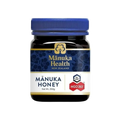
- Manuka Health MGO 263+ (UMF 10+). The most affordable of the four, in 250g, 500g and 1kg jars.
- Comvita MGO 263+ (UMF 10+). The same grade from Comvita, in 250g and 500g jars.
- Egmont MGO 265+ (UMF 10+). Comes in 500g and 1kg jars, so you won't need to restock as often.
- Manuka Health MGO 400+ (UMF 13+). A step up in MGO, still within the same range.
Higher MGO grades cost more, so it's worth choosing a jar that suits your budget as well as your goals. Our list of the 10 best Manuka honey jars compares more options side by side. Sharing your jar with the kids? Our guide to Manuka honey for kids covers ages and amounts. Honey isn't suitable for babies under 12 months.


HOW TO TAKE YOUR DAILY TEASPOON OF MANUKA HONEY
There is no single "correct" way to enjoy your daily teaspoon of Manuka honey. Here are a few simple ideas to help you make it a habit:
-
Straight from the spoon. Many people prefer to take their teaspoon of Manuka honey first thing in the morning on an empty stomach. This is the most direct way to consume it.
-
Stirred into warm drinks. Add a teaspoon of Manuka to herbal tea, warm water with lemon, or a turmeric latte. Avoid boiling water, as excessive heat may reduce some of the honey's beneficial properties (lab tests show even mild heat can reduce honey's antimicrobial activity: Chen et al., 2012).
- Drizzled over food. Try it on porridge, yoghurt, toast, or blended into a smoothie. It pairs well with most breakfast foods and adds a rich, complex sweetness.
The key is consistency. A teaspoon of Manuka honey each day, taken however you enjoy it most, is what matters. If you have diabetes, keep in mind that honey is mostly natural sugars, and avoid it if you're allergic to honey or bee products.
Immune Support: A daily teaspoon of Manuka honey provides antioxidants and natural antimicrobial compounds.
Throat and Skin: A teaspoon of Manuka honey each day can help soothe sore throats naturally.
ADDING A TEASPOON OF MANUKA HONEY TO YOUR DAY: FINAL THOUGHTS
The benefits of a daily teaspoon of Manuka honey are well supported by both traditional use and growing scientific interest. From immune and digestive support to throat relief and healthier skin, this simple daily habit can be a meaningful addition to a balanced, health-conscious lifestyle.
There are plenty of ways to enjoy your teaspoon of Manuka each day. Eat it straight, stir it into a warm drink, or drizzle it over your morning meal. The most important thing is to choose genuine, UMF-certified Manuka honey from a reputable source. By making a teaspoon of Manuka honey part of your everyday routine, you are investing in a small but consistent act of self-care. If you are looking for authentic, independently certified Manuka honey, Manuka Hut offers a trusted range of products across all MGO and UMF grades. Have you tried including a teaspoon of Manuka honey in your diet? Let us know in the comments!
Disclaimer: The information in this article is for general informational purposes only and is not intended as medical advice. Manuka honey is a natural food product and should not be used as a substitute for professional medical treatment. If you have specific health concerns or conditions, please consult your doctor or a qualified healthcare professional before making changes to your diet.
Sources
Antioxidant properties and antimicrobial activity of manuka honey versus Polish honeys. Gośliński et al., Journal of Food Science and Technology, 2020
Methylglyoxal in Manuka Honey: Correlation with Antibacterial Properties. Atrott and Henle, Czech Journal of Food Sciences, 2009
Mānuka honey-derived methylglyoxal enhances microbial sensing by mucosal-associated invariant T cells. Tang et al., Food & Function, 2020
Antioxidant, Anti-inflammatory, and Antiulcer Potential of Manuka Honey against Gastric Ulcer in Rats. Oxidative Medicine and Cellular Longevity, 2016
Manuka honey inhibits the development of Streptococcus pyogenes biofilms and causes reduced expression of two fibronectin binding proteins. Maddocks et al., Microbiology, 2012
Honey for acute cough in children. Oduwole et al., Cochrane Database of Systematic Reviews, 2018
Therapeutic Manuka Honey: No Longer So Alternative. Carter et al., Frontiers in Microbiology, 2016
510(k) summary K072956: Manuka honey wound dressing. US Food and Drug Administration, 2007
Honey as a topical treatment for wounds. Jull et al., Cochrane Database of Systematic Reviews, 2015
The effect of standard heat and filtration processing procedures on antimicrobial activity and hydrogen peroxide levels in honey. Chen et al., Frontiers in Microbiology, 2012

The Author: Beppe
Beppe, the founder of Manuka Hut, is passionately dedicated to sourcing the finest Manuka honey from the pristine landscapes of New Zealand. His focus on authenticity and quality ensures customer satisfaction worldwide.
What are the immune-boosting benefits of a teaspoon of Manuka honey a day?
Manuka honey is rich in antioxidants that help protect the body from free radical damage, and it contains natural antimicrobial compounds, particularly methylglyoxal (MGO).
How does a teaspoon of Manuka honey a day support digestive health?
Many people find that taking a teaspoon of Manuka honey on an empty stomach each morning provides gentle, natural digestive support.
Can a teaspoon of Manuka honey help soothe a sore throat?
Yes, a teaspoon of Manuka honey is widely used as a natural throat soother. Its thick consistency coats the throat, while its antimicrobial properties may help reduce bacteria and inflammation. You can take it straight, or dissolve it in warm water or herbal tea for soothing relief, especially during the colder months.
What MGO strength of Manuka honey should I choose for daily use?
For general daily wellness, an MGO rating between 250 and 550 is a popular starting point. The right strength depends on your personal goals. Look for UMF-certified Manuka honey to ensure authenticity and quality.
How much Manuka honey should I take a day?
Many people take one teaspoon of Manuka honey a day. The key is consistency: a teaspoon each day, taken however you enjoy it most, is what matters. If you have specific health concerns or conditions, please check with your doctor or a qualified healthcare professional before making changes to your diet.
When is the best time to take a teaspoon of Manuka honey?
There is no single correct time. Many people prefer to take their teaspoon of Manuka honey first thing in the morning on an empty stomach, straight from the spoon. Others stir it into a warm drink or drizzle it over porridge, yoghurt or toast at breakfast.
Can I put Manuka honey in hot water or tea?
Yes. You can add a teaspoon of Manuka honey to herbal tea, warm water with lemon or a turmeric latte. Avoid boiling water, as excessive heat may reduce some of the honey's beneficial properties.
This article is general information about honey, not medical advice. Our honey is a food, not a medicine. If you have a health condition, are pregnant, or are giving honey to a child, talk to your doctor or pharmacist. Never give honey to babies under 12 months.